
Hydromorphone, sold under the brand name Dilaudid, is one of the most potent prescription opioids available in the United States. Classified as a Schedule II controlled substance by the Drug Enforcement Administration (DEA), Dilaudid carries a high potential for abuse, physical dependence, and addiction — even when taken as prescribed.
For people in New York who are struggling with Dilaudid misuse, understanding the drug’s risks, recognizing the signs of addiction, and knowing what treatment options are available can be the difference between continued suffering and lasting recovery.
What Is Dilaudid (Hydromorphone)?
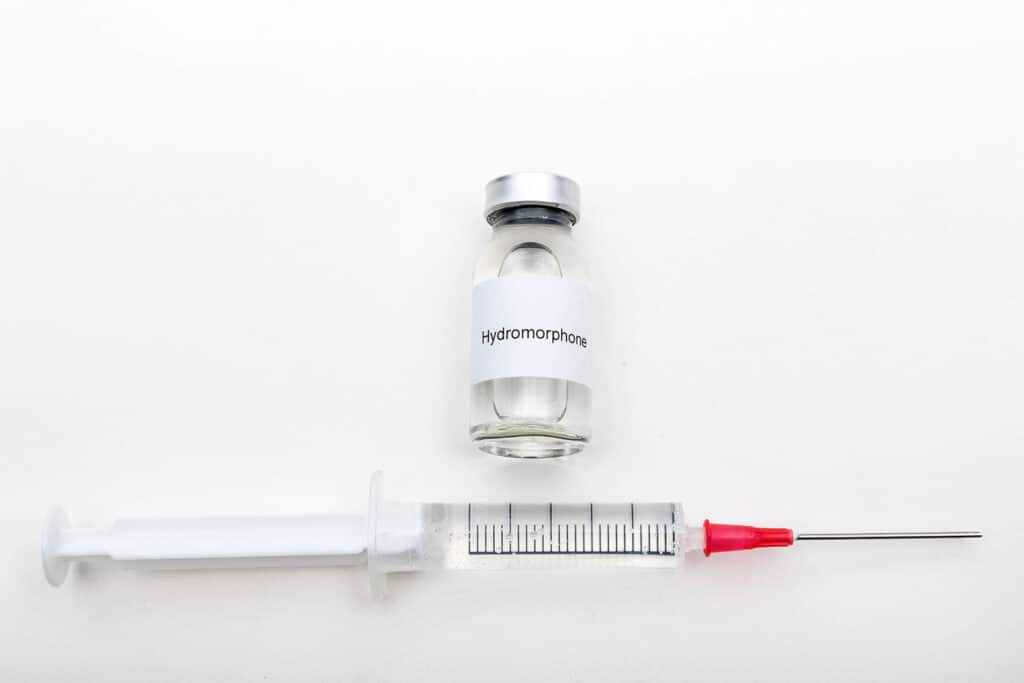
Dilaudid is a semi-synthetic opioid pain relief medication derived from morphine. It is prescribed to treat moderate to severe pain, typically in cases where non-opioid painkillers have proven inadequate. In clinical settings, hydromorphone is commonly used for post-surgical pain, traumatic injuries, and chronic pain associated with cancer.
What makes Dilaudid particularly dangerous from an addiction standpoint is its potency. According to the DEA, hydromorphone is approximately two to eight times more potent than morphine, with a rapid onset of action that produces intense pain relief and a powerful euphoric high. The drug is available in several forms, including immediate-release tablets (2mg, 4mg, and 8mg doses), oral liquid solutions, injectable formulations, and rectal suppositories. Oral tablets generally take effect within 30 minutes, while intravenous administration produces almost immediate results.
Because of its strength and the intensity of the high it produces, Dilaudid has significant street value. It is sometimes referred to by street names like Dillies, Dust, Juice, Footballs, and Smack. People who misuse the drug may crush and snort tablets, dissolve them for injection, or take doses far exceeding what was prescribed — all of which dramatically increase the risk of overdose and fatal respiratory depression.
Dilaudid vs. Other Opioids
Dilaudid belongs to the same drug class as morphine, oxycodone (OxyContin), fentanyl, and heroin. All of these substances bind to mu-opioid receptors in the central nervous system (CNS), dulling pain signals and triggering a flood of dopamine — the neurotransmitter responsible for feelings of pleasure and reward.
However, hydromorphone stands apart from many of these drugs in terms of raw potency. While it is less potent than fentanyl, it is substantially stronger than morphine per milligram, which means that even small dose increases can produce dangerous effects. Mixing Dilaudid with alcohol or benzodiazepines is especially risky, as these combinations can amplify respiratory depression and lead to coma or death.
How Dilaudid Addiction Develops
Addiction to Dilaudid does not happen overnight. It typically follows a progression from legitimate medical use to tolerance, physical dependence, and eventually compulsive drug-seeking behavior that defines opioid use disorder.
Tolerance and Dependence
When a person takes hydromorphone regularly, the brain adapts to the presence of the drug. Over time, the same dose no longer produces the same level of pain relief or euphoria. This is tolerance — and it drives people to take higher or more frequent doses to achieve the effects they initially experienced.
As tolerance builds, the body becomes physically dependent on the drug. The brain’s natural dopamine production slows because it has been relying on hydromorphone to stimulate those reward pathways. Without the drug, the person feels unable to function normally and experiences withdrawal symptoms when they try to stop.
Risk Factors and Causes
Not everyone who is prescribed Dilaudid will develop an addiction, but certain factors increase the likelihood. These include:
- Genetic predisposition. Research suggests that genetics account for roughly 40-60% of a person’s vulnerability to addiction. A family history of substance use disorders significantly raises the risk.
- Personal behavior and history. People with a prior history of substance abuse, including alcohol, are at higher risk. Taking Dilaudid in ways other than prescribed (crushing, snorting, or injecting) accelerates the path to addiction.
- Environmental influences. Chronic stress, trauma, poverty, peer pressure, and easy access to prescription opioids all contribute to misuse. People who live in households where opioids are available are more likely to experiment with them.
- Pharmacological properties of the drug itself. Dilaudid’s rapid onset and high potency mean it creates a stronger reinforcing effect in the brain’s reward system compared to weaker opioids. This makes it inherently more addictive.
- Mental health conditions. Co-occurring disorders like depression, anxiety, and PTSD often drive people to self-medicate with opioids, creating a cycle that is difficult to break without professional treatment.
As addiction progresses, some people resort to doctor shopping (visiting multiple physicians to obtain prescriptions), forging prescriptions, or purchasing the drug illegally. These behaviors signal that the person has lost control over their use and is prioritizing the next dose over their health, relationships, and responsibilities.

Signs and Symptoms of Dilaudid Addiction
Recognizing addiction early gives a person the best chance at a successful recovery. The signs of Dilaudid addiction span physical, psychological, and behavioral categories.
Physical Signs
- Constricted (pinpoint) pupils
- Chronic constipation and other gastrointestinal issues
- Drowsiness and nodding off at inappropriate times
- Respiratory depression (shallow, slow breathing)
- Unexplained weight loss
- Track marks or bruising from injection use
- Increased tolerance — needing more of the drug to feel its effects
Psychological Signs
- Intense mood swings and irritability
- Anxiety and panic attacks when the drug is unavailable
- Depression and a loss of interest in activities that once brought pleasure
- Obsession with obtaining and using the drug
- Insomnia or disrupted sleep patterns
- Paranoia and increased secrecy
Behavioral Signs
- Neglecting responsibilities at work, school, or home
- Withdrawing from family and friends
- Engaging in risk-taking behaviors (driving under the influence, stealing medication)
- Failing to meet financial obligations due to spending on the drug
- Continued use despite clear negative consequences to health and relationships
- Inability to cut down or stop using despite repeated attempts
When physical dependence has taken hold, the most telling sign is that the person experiences withdrawal symptoms any time they go without the drug for more than a few hours.
Short-Term and Long-Term Effects of Dilaudid Use

Short-Term Effects
In the hours and days following use, Dilaudid produces a range of effects. Some are the intended therapeutic outcomes; others are side effects that escalate with misuse. Common short-term effects include euphoria and intense relaxation, significant pain relief, drowsiness and sedation, nausea and vomiting, constipation, dizziness, confusion, dry mouth, and itching. At higher doses, the short-term risks become life-threatening: severe respiratory depression, dangerously low blood pressure, loss of consciousness, seizures, and fatal overdose.
Long-Term Effects
Chronic Dilaudid abuse takes a heavy toll on both the body and the mind. Over months and years of sustained use, the following effects become increasingly common:
- Neurological damage. Prolonged opioid use disrupts the brain’s natural chemical balance, impairing decision-making, emotional regulation, and the ability to feel pleasure without the drug.
- Organ damage. Long-term hydromorphone use can strain the liver and kidneys, particularly when the drug is combined with acetaminophen or other substances.
- Cardiovascular risks. Chronic opioid use has been linked to increased risk of stroke and heart complications.
- Mental health deterioration. Depression, anxiety, and suicidal thoughts are common in people with long-term opioid use disorder. The psychological toll is compounded by the social isolation that often accompanies addiction.
- Hormonal disruption. Opioids can suppress testosterone and other hormone production, leading to sexual dysfunction, fatigue, and mood disturbances.
- Immune suppression. Research suggests chronic opioid use weakens the immune system, making the body more vulnerable to infections.
- Overdose risk. The longer someone uses Dilaudid, the greater the chances of a fatal overdose, especially if they combine it with other CNS depressants. Overdose symptoms include bluish lips and fingernails, cold and clammy skin, extreme confusion, and severely slowed or stopped breathing.

Dilaudid Withdrawal: Symptoms and Timeline
One of the biggest barriers to recovery from Dilaudid addiction is the intensity of withdrawal. When a person who is physically dependent on hydromorphone stops using the drug, their body goes through a painful adjustment period as it attempts to function without the substance it has come to rely on.
Common Withdrawal Symptoms
Dilaudid withdrawal produces a combination of physical and psychological symptoms. Common physical symptoms include muscle and joint pain, abdominal cramping and diarrhea, nausea and vomiting, excessive sweating and chills, runny nose and watery eyes, goosebumps, elevated heart rate and blood pressure, tremors, fever, and yawning. Psychological symptoms include severe anxiety and restlessness, depression and hopelessness, irritability and agitation, insomnia, intense drug cravings, difficulty concentrating, and an inability to feel pleasure (anhedonia).
Withdrawal Timeline
While every person’s experience is different, Dilaudid withdrawal generally follows a predictable pattern. The immediate-release formulation of hydromorphone has a half-life of approximately 2.5 hours, which means withdrawal symptoms can begin within 6 to 12 hours of the last dose.
Hours 6-12: The earliest symptoms emerge, typically anxiety, restlessness, and muscle aches. The person may also experience yawning, sweating, and a runny nose.
Hours 12-48: Symptoms intensify and usually peak during this window. Nausea, vomiting, diarrhea, chills, tremors, and severe muscle cramping are common. Drug cravings are at their strongest.
Days 3-4: The worst physical symptoms begin to subside, though nausea, aches, and sleep disturbances may continue.
Days 5-14: Most acute physical symptoms resolve. However, psychological symptoms like depression, anxiety, irritability, and insomnia can persist for weeks.
Weeks to months (post-acute withdrawal syndrome / PAWS): Some people experience lingering psychological symptoms — including cravings, mood instability, and difficulty sleeping — for months after their last dose. This is known as post-acute withdrawal syndrome and is a common contributor to relapse.
Why Medical Supervision Matters
Dilaudid withdrawal, while rarely life-threatening on its own, can be extremely dangerous when attempted without medical supervision. The severe discomfort drives many people to relapse, and returning to opioid use after a period of abstinence is one of the leading causes of fatal overdose. During detox, tolerance drops rapidly, and a dose that was previously tolerable can now cause respiratory failure.
Medically-assisted detox provides around-the-clock monitoring, medications to ease symptoms, and a structured environment that dramatically reduces the risk of relapse and complications.

Treatment Options for Dilaudid Addiction
Effective treatment for Dilaudid addiction requires a comprehensive, individualized approach that addresses both the physical dependence and the psychological, behavioral, and social factors driving the addiction. There is no one-size-fits-all solution, and the most successful treatment plans combine multiple evidence-based modalities.
Medical Detox
Detoxification is the essential first step. In a medically supervised setting — whether inpatient residential care or an outpatient detox program — healthcare providers manage withdrawal symptoms using a combination of medications and supportive care. Common approaches include:
- Tapering programs. Gradually reducing the hydromorphone dose over a set period allows the body to adjust without the shock of abrupt cessation. This is particularly useful for people with severe physical dependence.
- Medication-assisted treatment (MAT). FDA-approved medications are used to ease withdrawal symptoms, control cravings, and stabilize the patient. The most commonly used medications include:
- Buprenorphine (Suboxone, Subutex): A partial opioid agonist that activates opioid receptors enough to prevent withdrawal and reduce cravings without producing a significant high. Buprenorphine is one of the most widely used treatments for opioid use disorder and can be continued long-term as part of a maintenance program.
- Methadone: A full opioid agonist administered in controlled clinical settings. Methadone prevents withdrawal symptoms and blocks the euphoric effects of other opioids, but it requires careful dosing and monitoring due to its own potential for dependence.
- Naltrexone: An opioid antagonist that blocks the effects of opioids entirely. Naltrexone is typically used after detox is complete to help prevent relapse. It is available as a daily pill or a monthly injection (Vivitrol).
- Supportive medications. Clonidine can reduce anxiety, sweating, and muscle aches. Hydroxyzine helps with anxiety and insomnia. Anti-nausea and anti-diarrheal medications address gastrointestinal symptoms.
Behavioral Therapies
Medication alone is not enough. Behavioral therapies are a critical component of Dilaudid addiction treatment, helping people understand the thought patterns and behaviors that led to addiction and develop healthier coping strategies for the long term.
- Cognitive-behavioral therapy (CBT) helps individuals identify the thoughts, emotions, and situations that trigger drug use and teaches them practical skills to respond differently. CBT has strong evidence supporting its effectiveness in treating opioid use disorder.
- Motivational interviewing (MI) is a collaborative approach that helps people resolve ambivalence about treatment and build internal motivation for change. It is especially useful in the early stages of recovery when commitment may be fragile.
- Family therapy addresses the impact of addiction on the family system. It helps repair relationships, improve communication, and establish healthy boundaries. Family involvement in treatment has been shown to improve outcomes.
- Group therapy provides a structured setting where individuals in recovery can share experiences, offer mutual support, and practice social skills. It reduces the isolation that often accompanies addiction.
Levels of Care
Treatment for Dilaudid addiction is available at several levels of intensity, and the right choice depends on the severity of the addiction, co-occurring conditions, and the person’s home environment.
- Inpatient / residential care provides 24/7 medical supervision and a structured environment free from triggers. This is typically recommended for severe addictions, people with co-occurring mental health disorders, or those who have previously relapsed in outpatient settings.
- Partial hospitalization programs (PHP) offer intensive treatment during the day while allowing patients to return home in the evening.
- Intensive outpatient programs (IOP) involve several hours of treatment multiple days per week, providing flexibility for people who need to maintain work or family obligations.
- Outpatient treatment is appropriate for people with milder addictions or as a step-down from more intensive programs. It typically involves regular therapy sessions and medication management.
Personalized Treatment Plans
A comprehensive treatment plan for Dilaudid addiction should address not just the substance use itself, but the whole person. This means evaluating and treating co-occurring mental health conditions (dual diagnosis), addressing trauma that may be fueling the addiction, building vocational and life skills, and involving family members in the recovery process. The most effective programs tailor their approach to each individual’s specific needs, history, and circumstances.

Support Systems and Recovery Resources
Recovery from Dilaudid addiction does not end when formal treatment is completed. Long-term sobriety depends on building a strong network of ongoing support.
Support Groups and Peer Networks
- Narcotics Anonymous (NA) and other twelve-step programs provide a structured framework for recovery built on peer support, accountability, and spiritual principles. Meetings are widely available throughout New York, both in-person and online.
- SMART Recovery offers a science-based alternative to twelve-step programs, using cognitive and behavioral techniques to help people manage cravings and build motivation.
- Online forums and telephone-based support provide accessible options for people who cannot attend in-person meetings or prefer anonymous participation.
Aftercare and Relapse Prevention
Aftercare programs help people transition from formal treatment back into daily life. These often include ongoing individual counseling with addiction specialists, regular check-ins with a medication prescriber for those on MAT, sober living arrangements for people who need a supportive, substance-free environment, alumni programs offered by treatment centers, and patient-centered counseling focused on maintaining the coping strategies learned in treatment.
Relapse is not a sign of failure — it is a recognized part of the recovery process for many people. Having a relapse prevention plan in place, knowing the warning signs, and staying connected to a supportive community are the most effective safeguards against returning to use.
Find Dilaudid Addiction Treatment in New York
Mid Hudson Addiction Recovery connects New Yorkers with a network of the best Dilaudid addiction treatment programs in New York and out-of-state. We understand that every person’s path to addiction is different, and we work with treatment centers that use personalized, evidence-based approaches to help people overcome opioid dependence for good.
Whether you need help finding a medical detox program, residential treatment, an outpatient program, or ongoing medication-assisted treatment, our team of addiction specialists is here to guide you through the process. Call us today to discuss your treatment needs and take the first step toward recovery.