Overcoming a substance use disorder is rarely a straight line, and there is no universal roadmap to long-term sobriety. Historically, traditional substance abuse treatment relied almost entirely on abstinence-only models and psychotherapy. While these programs are highly effective for some, many individuals require additional clinical support to manage the profound physical changes, intense cravings, and severe withdrawal symptoms that characterize early recovery.
Today, advancements in addiction medicine have shifted the landscape. Medication-Assisted Treatment (MAT)—also frequently referred to as Medications for Opioid Use Disorder (MOUD) in clinical settings—bridges the gap between physical stabilization and psychological healing. By combining FDA-approved medications with counseling and behavioral therapies, MAT treats addiction as a chronic medical condition. This comprehensive approach addresses both the biological and psychological dimensions of dependency, significantly improving public health outcomes across New York.

What is MAT and How Does It Work?
The primary clinical goal of MAT is to establish a stable psychological baseline so that individuals can safely engage in therapy, rebuild their lives, and sustain long-term recovery. Rather than simply managing symptoms, the strategic use of medications targets the specific neurological pathways disrupted by chronic substance misuse.
When an individual develops an opioid dependence or an alcohol use disorder, the brain’s reward circuitry undergoes fundamental changes. Stopping use abruptly causes severe chemical imbalances, resulting in intense physical cravings and painful withdrawal syndromes. MAT medications work by safely interacting with these exact same brain circuits under strict medical supervision.
Depending on the specific medication prescribed in an individual’s treatment plan, these pharmaceuticals work to:
- Normalize Brain Chemistry: Restoring equilibrium to neurotransmitter systems that have been altered by prolonged substance use.
- Block Euphoric Effects: Neutralizing the psychoactive “high” of illicit substances, thereby breaking the behavioral reinforcement cycle.
- Relieve Withdrawal Symptoms: Mitigating acute symptoms like opioid withdrawal, which frequently drive individuals to relapse during the initial days of sobriety.
- Reduce Cravings: Subduing the persistent chemical urges that can remain active in the brain for months after active use stops.

The Core Components: FDA-Approved Medications
The Food and Drug Administration has evaluated and approved specific medications to address three primary types of substance use disorders: opioids, alcohol, and tobacco.
1. Opioid Use Disorder (OUD) & Opioid Addiction
The ongoing opiate epidemic continues to be a major public health crisis across New York State. Modern addiction treatment utilizes three primary medications to combat opioid addiction:
- Buprenorphine (Suboxone, Sublocade): A partial opioid agonist, buprenorphine attaches to the brain’s opioid receptors to relieve withdrawal and cravings without generating an intense high. Formulations like Sublocade offer an extended-release monthly injection, eliminating the need for daily dosing. Buprenorphine is highly accessible because it can be prescribed in conventional primary care settings.
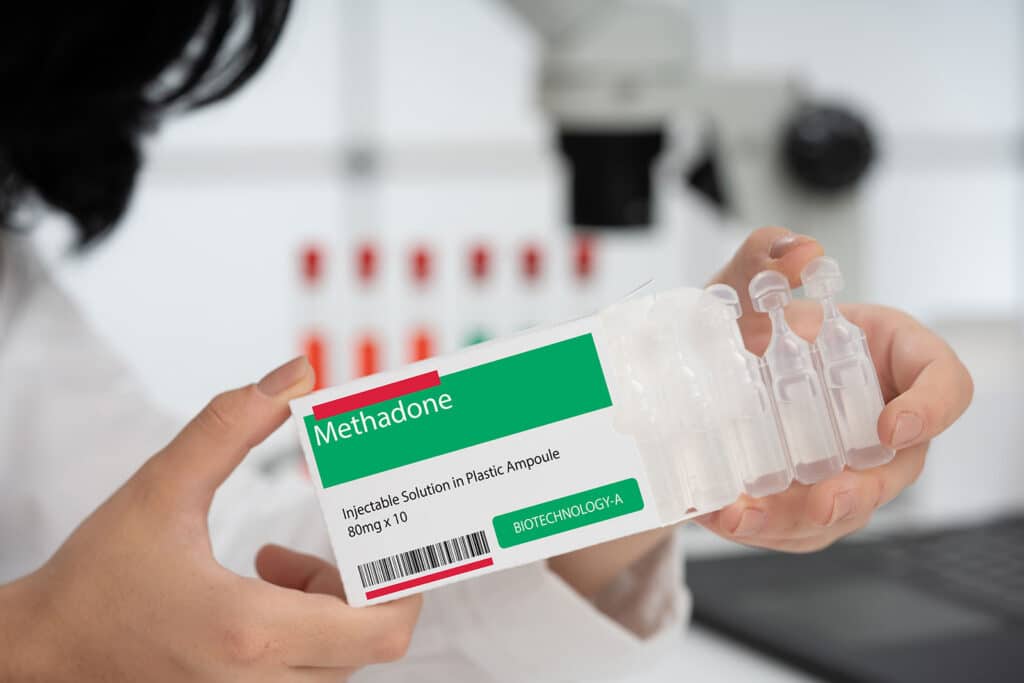
- Methadone: A full opioid agonist utilized in clinical environments for over 50 years. It acts gradually on opioid receptors to stabilize the patient. Due to strict federal guidelines, methadone must be dispensed through specialized, certified Opioid Treatment Programs (OTPs).
- Naltrexone (Vivitrol): An opioid antagonist that acts as a total blocker. It completely covers the receptors, preventing any ingested opiates from producing euphoric effects. It is available as a daily oral tablet or a monthly extended-release injection (Vivitrol). Note: Patients must complete a full detoxification period to clear all substances from their system before starting Naltrexone to avoid triggering sudden, severe withdrawal.
- Naloxone (Narcan): Although not a daily maintenance drug, this life-saving opioid antagonist can immediately reverse an opioid overdose. Distributing naloxone to families, emergency responders, and communities is a central initiative backed by the Centers for Disease Control and Prevention (CDC) to minimize overdose fatalities.
2. Alcohol Use Disorder (AUD)
- Acamprosate (Campral): Helps stabilize the brain’s chemical signaling post-detox, mitigating the chronic emotional discomfort, anxiety, and cravings common in early sobriety.
- Disulfiram (Antabuse): Functions as a behavioral deterrent by causing an immediate, highly unpleasant physical reaction (including nausea, severe headaches, and flushing) if any alcohol is consumed.
- Naltrexone: Blocks the rewarding, buzzy sensations associated with drinking, effectively lowering the psychological desire to consume alcohol.
3. Tobacco Use Disorder
- Nicotine Replacement Therapy (NRT): Tapers nicotine intake via skin patches, gums, or lozenges without exposing the lungs to toxic chemicals.
- Bupropion (Zyban): An antidepressant that balances dopamine levels to reduce the mood swings and irritability of nicotine withdrawal.
- Varenicline (Chantix): Partially stimulates nicotine receptors to minimize cravings while simultaneously making smoking unpleasurable if a relapse occurs.

Inpatient vs. Outpatient MAT: Choosing Your Environment
A crucial element of an effective recovery journey is selecting the right clinical setting. Patients can access comprehensive treatment services across a spectrum of care, depending on their medical stability, home environment, and personal obligations.
| Treatment Setting | Core Focus | Ideal Candidate |
| Inpatient Residential Programs | 24-hour medical supervision, structured environment, immersive daily individual and group therapy sessions. | Individuals with severe, long-term dependence, acute medical risks, co-occurring mental health conditions, or an unstable home environment. |
| Outpatient Programs (OP / IOP) | Flexible scheduling, medical check-ins, regular therapy, allowing patients to live at home and maintain employment. | Individuals with strong local support networks, mild-to-moderate clinical histories, or those transitioning from an inpatient stay. |
| Office-Based Primary Care | Routine physician visits for prescription management and check-ins, combined with external counseling. | Stable patients requiring maintenance medication (like buprenorphine) who do not need a highly restrictive clinical environment. |
Determining which environment is appropriate requires a consultation with a qualified health care professional or a licensed treatment provider.
What to Expect on Your First Day of MAT
Entering a clinic or starting a new substance abuse treatment plan can feel intimidating. Understanding the clinical intake process helps demystify the experience and reduces anxiety about the first day.
- Comprehensive Medical Assessment: Your first day begins with an in-depth evaluation by a physician or an addiction specialist. This includes a review of your medical history, physical health screenings, and a detailed discussion regarding your history of substance use.
- Behavioral Health Screening: Mental health professionals will evaluate you for any co-occurring psychological conditions (such as depression, anxiety, or trauma) to ensure your psychiatric needs are treated alongside your physical dependency.
- Formulating an Individualized Treatment Plan: Based on your evaluations, your clinical team will design a customized strategy tailored to your recovery goals. This plan outlines your specific medication types, dosages, and counseling schedule.
- The Induction Phase (First Dose): For medications like buprenorphine, the first dose is administered under direct medical supervision when you are in a mild state of withdrawal. The medical team monitors your physical response to ensure the medication effectively stabilizes your symptoms without complications.
The Role of Behavioral Health & Counseling
While medications handle the biological baseline of dependency, behavioral therapy addresses the underlying psychological root causes. Major health organizations, including the U.S. Department of Health and Human Services (HHS), emphasize that medicine alone is rarely a standalone cure. True healing occurs when pharmacological support is integrated with comprehensive behavioral health services.
Therapy helps patients identify their unique psychological triggers, establish healthy coping mechanisms, manage stress, and repair interpersonal relationships. Furthermore, regular engagement in counseling is directly correlated with higher patient retention rates in long-term treatment programs.
Key behavioral modalities built into comprehensive MAT models include:
- Cognitive Behavioral Therapy (CBT): Helps patients identify, evaluate, and transform destructive thought patterns and behaviors that drive substance use.
- Dialectical Behavior Therapy (DBT): Focuses heavily on building practical skills in emotional regulation, mindfulness, distress tolerance, and interpersonal communication.
- Motivational Interviewing (MI): A patient-centered, collaborative approach that resolves internal ambivalence, empowering individuals to embrace positive behavioral changes.
- Family & Peer Support Groups: Rebuilds broken family communication networks and introduces patients to an accountable, empathetic community of individuals with shared lived experiences.
Does Insurance Cover MAT in New York?
A major barrier keeping individuals from seeking help is the fear of financial cost. Fortunately, extensive legislative updates and public health initiatives have dramatically expanded coverage for the treatment of substance use disorders.
In New York State, insurance regulations mandate comprehensive coverage for addiction care:
- Medicaid and Managed Care: New York Medicaid covers all FDA-approved MAT medications, outpatient counseling, inpatient rehabilitation, and medical detoxification services.
- Commercial and Private Insurance: Private health insurance plans are legally required under federal and state parity laws to provide coverage for behavioral health and addiction services that is equal to their coverage for standard medical conditions.
- Navigating Access and Referrals: Most local health departments and human services agencies provide dedicated case managers to assist families with insurance navigation. Many premier facilities accept self-referrals as well as professional medical referrals from external doctors or hospitals, streamlining your entry into care.
Debunking the Stigma Around MAT
Despite decades of clinical evidence proving that MAT saves lives, deep-seated societal misconceptions persist. Overcoming this stigma is vital to expanding access to care.
- “It is just substituting one drug for another.”
- The Reality: Taking a stable, medically supervised therapeutic dose of an FDA-approved medication to manage a diagnosed disease is entirely distinct from active, compulsive addiction. MAT stabilizes brain chemistry rather than causing impairment. Comparing MAT to active addiction is like comparing taking insulin for diabetes to consuming excessive sugar; the medication manages the underlying pathology.
- “Patients on MAT are not truly in recovery.”
- The Reality: True recovery is defined by an individual’s improved health, safety, psychological stability, and overall quality of life. The stance that MAT is a “crutch” contradicts guidelines established by the National Institute on Drug Abuse (NIDA) and the Substance Abuse and Mental Health Services Administration. Every major medical association recognizes MAT as a first-line, standard-of-care protocol.
- “MAT should only be used as a short-term solution.”
- The Reality: Addiction is a chronic, relapsing condition. Some patients utilize medication for a few months, while others remain on it for years or indefinitely to maintain lifestyle stability. Stopping medication prematurely due to social pressure is one of the leading causes of relapse and accidental overdose.
Overcoming Regulatory Barriers
Historically, strict federal regulations severely restricted access to these treatments. For instance, medical providers were required to obtain a special federal “X-waiver” to prescribe buprenorphine. Recognizing the urgency of the overdose crisis, federal policy eliminated the waiver requirement. Today, any medical professional with a standard DEA registration can legally prescribe buprenorphine, seamlessly integrating addiction care into regular primary care settings and expanding the network of available treatment providers nationwide.

Find MAT Programs in New York Today
If you or a loved one is ready to explore a safe, evidence-based approach to long-term recovery, you do not have to navigate this journey alone.
Mid Hudson Addiction Recovery provides comprehensive, individualized MAT programs tailored to your unique history and recovery goals. Their experienced medical and psychiatry teams combine physical stabilization with robust behavioral therapies, case management, and compassionate support. Recovery advocates are available 24/7 to answer your questions, assist with insurance verification, and coordinate immediate placement. Reach out for a completely confidential assessment today.
Frequently Asked Questions (FAQs)
Can I participate in Medication-Assisted Treatment on an outpatient basis?
Is MAT utilized for all types of substance addictions?
How long do individuals typically remain on MAT medications?
Medical Disclaimer: This content is for educational and informational purposes only and does not constitute medical advice. Always consult with a licensed physician, treatment provider, or qualified healthcare professional regarding any medical diagnosis, treatment options, or modifications to a supervised treatment plan.