
Addiction doesn’t just affect one person. It pulls the people closest to them right into the chaos.
If your partner is struggling with substance abuse, you already know this. And if you’re the one struggling, you’ve probably seen the damage it’s caused to your relationship.
So what do you do about it?
Couples therapy is one of the most underused tools in addiction recovery. Most people think of it as something you do when you’re about to get divorced. But when it comes to substance use disorder, it can actually be one of the most powerful parts of treatment.
Learn all about couples therapy for addiction below.
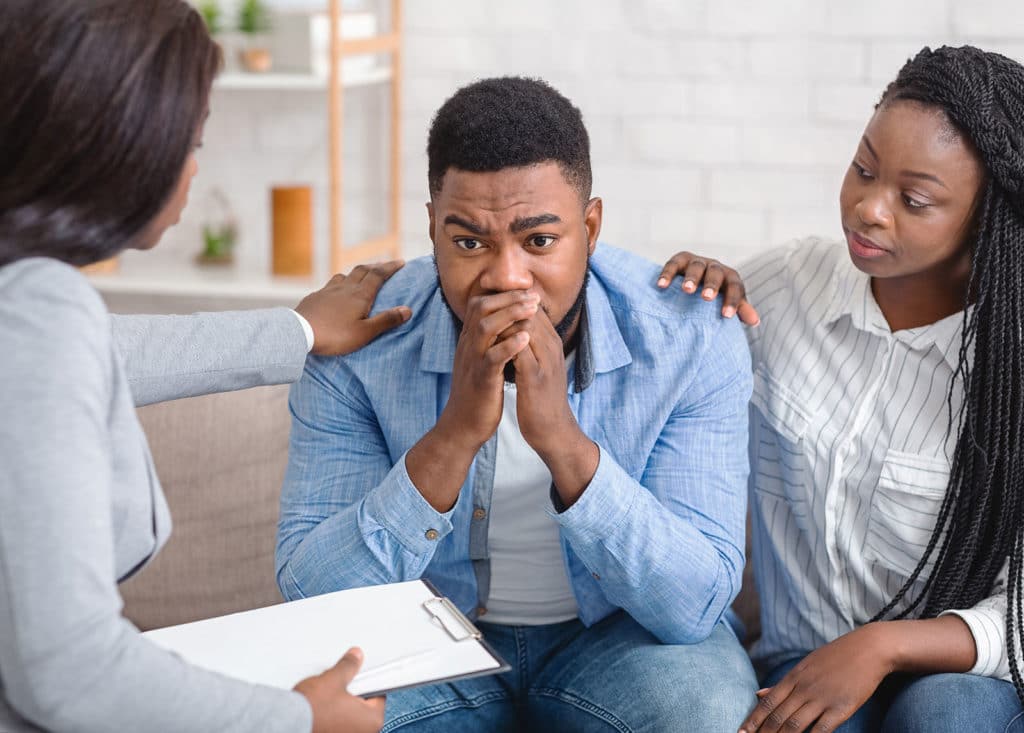
What Is Couples Therapy for Addiction?
Couples therapy, sometimes called couples counseling or marriage counseling, is designed to address the specific challenges that alcohol or drug use creates in a relationship.
It doesn’t replace individual therapy. It works alongside it.
In addiction treatment, this is more commonly referred to as behavioral couples therapy. It’s evidence-based, meaning there’s substantial research to support its effectiveness. That’s why it’s used in many treatment centers.
The goal is to reduce substance use, heal the relationship, and build a healthier environment for recovery.
Why Involve Both Partners?
Individual counseling helps. But it’s not enough for people in intimate relationships. The thing that many treatment programs miss is that addiction creates patterns in relationships that don’t disappear when someone gets sober.
Codependency is a huge one. You start organizing your entire life around managing your partner’s addiction. You cover for them, make excuses, and take over their responsibilities. This might feel like love, but it isn’t. It only feeds the addictive behavior.
Many develop a pattern of hypervigilance. Always watching for signs of drug or alcohol use. Always bracing for the next crisis. It is exhausting and can take a toll on anyone’s mental health.
Couples counseling addresses these issues. It helps the non-using partner understand what’s helping and what’s enabling. Does this mean the partner without the substance use problem is to blame? Absolutely not. But both have adapted to the dysfunction.
It’s important to understand that the non-using partner needs as much support as the other person.
Breaking the Cycle of Codependency and Enabling
It is easy to look at substance use disorder and assume only one person needs to change. But addiction is a family disease. Over time, couples unconsciously develop an addiction dynamic just to survive the chaos.
The non-using partner often takes on the role of the caretaker or “fixer,” absorbing all the responsibilities the using partner drops. You manage the finances, cover for them when they miss work, and clean up the emotional wreckage. While this comes from a place of love, it quickly morphs into enabling behaviors that shield the person from the actual consequences of their substance dependence.
This creates a deeply exhausting cycle of codependency. Your entire sense of wellness and safety becomes tied to your partner’s sobriety or mood.
Couples therapy helps you step out of these rigid roles. It provides a safe space to:
- Redefine Responsibilities: Handing back the consequences of addiction to the person in recovery, allowing them to take ownership of their individual recovery.
- Set Firm Boundaries: Learning how to say “no” to manipulating behaviors without guilt.
- Focus on Self-Care: Helping the non-using partner detach lovingly so they can reclaim their own mental health and identity.
Recovery isn’t just about getting one person sober; it’s about dismantling the dysfunctional patterns that keep both of you trapped.
The Connection Between Substance Use and Relationship Problems
Sometimes, it goes both ways. Substance use causes relationship problems. Relationship problems drive substance use.
An unstable relationship makes recovery a lot harder. Stress, conflict, poor communication, and feelings of disconnection are common triggers for relapse.
Treating the substance use disorder while the home environment stays toxic doesn’t make a lot of sense. Thankfully, there’s couples therapy. With stability and support, the person in recovery has a much better shot.
What About Domestic Violence?
This is crucial. Joint therapy isn’t for everyone, especially when there’s active domestic violence.
In fact, the National Domestic Violence Hotline warns against seeking counseling with an abusive partner. Why? Because this can lead to retaliation against the abused partner.
Sadly, domestic violence and substance abuse frequently co-occur. Alcohol abuse in particular is strongly linked to intimate partner violence.
If there’s ongoing violence or a serious safety concern in the relationship, individual therapy and safety planning need to come first. A qualified therapist will screen for this. If yours doesn’t, find a different one.
Note that BCT and couples counseling are meant for relationships where both people are safe to participate together.
How Couples Therapy Fits Into a Treatment Plan
Couples therapy isn’t a replacement for other interventions. It works best as part of a broader plan.
Depending on the severity of the substance use disorder, that plan might include detox, inpatient rehab, outpatient treatment, individual counseling, and support groups. Usually, couples therapy runs as part of or alongside outpatient treatment.
Some facilities offer family therapy as well, which brings in other family members when needed. Al-Anon and similar support groups can also be helpful for the non-using partner, especially for processing emotions and connecting with others in similar circumstances.
The level of care needed is different for everyone. A good behavioral health provider will help you figure out what combination fits your situation, including what your health insurance will cover.
Does Couples Therapy Work?
Yes. The research is clear on this.
Behavioral couples therapy consistently outperforms individual therapy alone for drug abuse and alcohol use disorders.
Partners who participate in BCT report better relationship satisfaction. The person in recovery has lower relapse rates. Both people report better mental health outcomes.
The positive effects for couples benefit their kids too. Children show better emotional and behavioral functioning with their parents in therapy, even though sessions don’t include parenting content.
The recovery process is hard. But going through it as a team changes the odds significantly.
Healing Intimacy and the Aftermath of Addiction
Many couples believe that once the drug or alcohol use stops, the relationship will magically snap back to normal. The reality is often much harder. The aftermath of addiction leaves behind a trail of broken promises, secrets, and emotional exhaustion.
When a relationship has been defined by unpredictable behavior, the non-using partner usually develops a state of intense hypervigilance. You are always waiting for the other shoe to drop, constantly checking for signs of a relapse. This makes true emotional connection feel terrifying. How do you let your guard down and trust someone who has repeatedly hurt you?
This is where addiction heavily damages attachment—the fundamental sense of safety and security you should feel with your partner. When trust is shattered, physical and emotional intimacy are usually the first things to die.
Couples counseling uses targeted conflict management skills to help you rebuild that closeness from the ground up. Through therapy, you learn how to transition from a state of hypervigilance into a state of healthy dependence and interdependency.
You will work on:
- Processing the Pain: Airing out the resentment and grief caused by past actions without causing a total communication breakdown.
- Rebuilding Emotional Safety: Creating a “safe container” where the person in recovery can express shame and vulnerability, and the non-using partner can voice fears without retaliation.
- Rediscovering Closeness: Relearning how to look at each other as partners, lovers, and friends—not just as a patient and a caregiver.
Relationship recovery is a slow process, but it is how you turn a fragile, tense sobriety into a deeply connected, long-term partnership.
How Couples Therapy Works
The whole purpose of couples therapy is to stop addiction and relationship dysfunction from reinforcing each other. It works on both at the same time to create what clinicians call a “constructive cycle.”
The idea is that recovery supports a better relationship, and a better relationship supports continued recovery.
There are three main objectives:
- Eliminate substance abuse
- Engage the family’s support for the patient’s efforts to change
- Restructure couple interaction patterns in ways that support long-term stable abstinence

What Happens in Couples Therapy Sessions
In standard BCT, the therapist sees the substance-abusing client and their partner together, typically for 15 to 20 outpatient sessions over 3 to 6 months.
Here’s what sessions look like:
1. The Recovery Contract
This is one of the most concrete tools in BCT. The partners agree to engage in a daily abstinence trust discussion.
The person in recovery states that they haven’t used in the past 24 hours and intends to remain abstinent for the next 24 hours. The non-using partner responds by expressing support.
This might sound simple or repetitive. But doing this daily, out loud together, subtly builds accountability and trust.
2. A No-Conflict Rule Between Sessions
Both partners agree not to discuss past drinking or drug use, or fears of future use, between scheduled BCT sessions.
This reduces the likelihood of substance-abuse-related conflicts occurring outside therapy, where they’re more likely to trigger relapses.
3. Relationship-Building Exercises
BCT isn’t just about stopping drug use. It also works to rebuild the relationship itself.
One exercise tasks couples with acknowledging one pleasing thing their partner does daily. Another has partners plan a “caring day” filled with thoughtful surprises.
Couples also schedule shared activities, helping them rediscover joy, something many substance-affected families have stopped doing altogether.
4. Improving Communication Skills
Poor communication is a common problem in couple relationships. It gets worse when addiction is involved. Conversations often turn into blame, defensiveness, stonewalling, or total shutdown.
BCT helps couples improve their communication skills, with exercises built around active listening, empathy and validation, reflective dialogue, and soft starts.
5. Homework Assignments Between Sessions
Fifteen to 20 one-hour sessions is not much time if practice only happens inside a therapist’s office. Homework assignments are how both partners bring what they’re learning in therapy into their actual daily life, where it needs to work.
Every week, the couple leaves with something specific to do between sessions. Daily check-ins are one of the most common. Other exercises include scheduled positive activities, communication practice, individual reflection work, and involvement in support groups.

Is Couples Therapy for You?
Not every couple is a good candidate for joint therapy. We’ve already mentioned that couples counseling may be counterproductive when there’s active domestic violence.
Couples therapy is suitable for people who are committed to their relationship. Generally, they should be married or cohabiting for at least a year.
Both partners must also be free of conditions like severe cognitive impairment or psychosis that would interfere with completing assignments and learning new skills.
It also doesn’t work well when both partners are using. Relationships where both partners abuse drugs often don’t support abstinence. Dually addicted couples frequently report higher relationship satisfaction, apparently because shared drug use reduces conflict.
Frequently Asked Questions
How long does couples therapy for addiction usually last?
Is couples therapy covered by insurance?
What if both partners struggle with substance use?
Ready to Take the Next Step?
If you’ve made it this far, you already know something needs to change. Addiction breaks relationships. Couples therapy helps fix them.
This could be the turning point for you and your loved one. BCT, specifically, gives you structure, support, and a clear path forward. Not just for addiction recovery, but for rebuilding trust, improving communication skills, and creating a more stable relationship.
Mid Hudson Addiction Recovery offers comprehensive substance abuse treatment programs that can include couples therapy. We understand that addiction is never just one person’s problem, and treatment shouldn’t be either.
Don’t wait for things to get worse. Reach out to one of our specialists today.